
Science
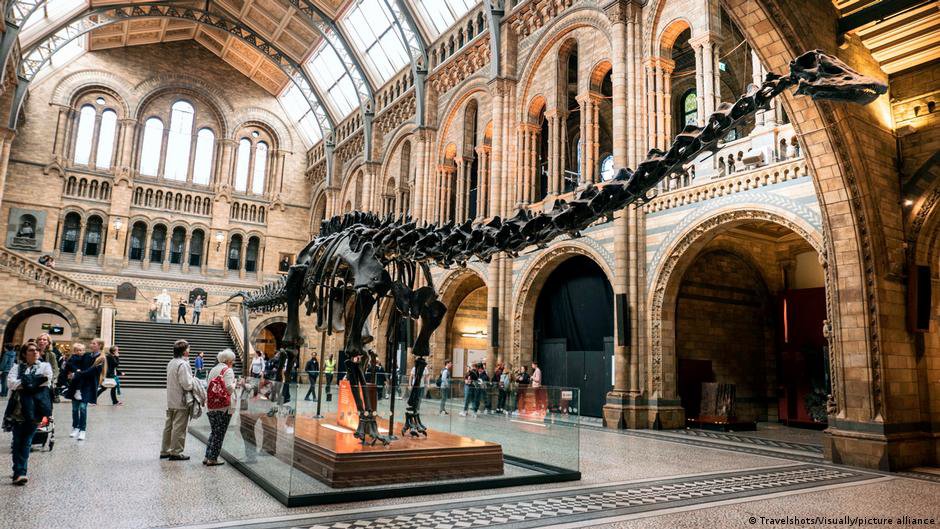
Spanish scientists find first signs of Diplodocus in Europe
Paleontologists in Spain say they have found the first evidence of the long-necked Diplodocus genus of dinosaur outside of North America. They found bones at the rich La Tejeria fossil site in Teruel in eastern Spain.
Deutsche Welle · 2026-09-15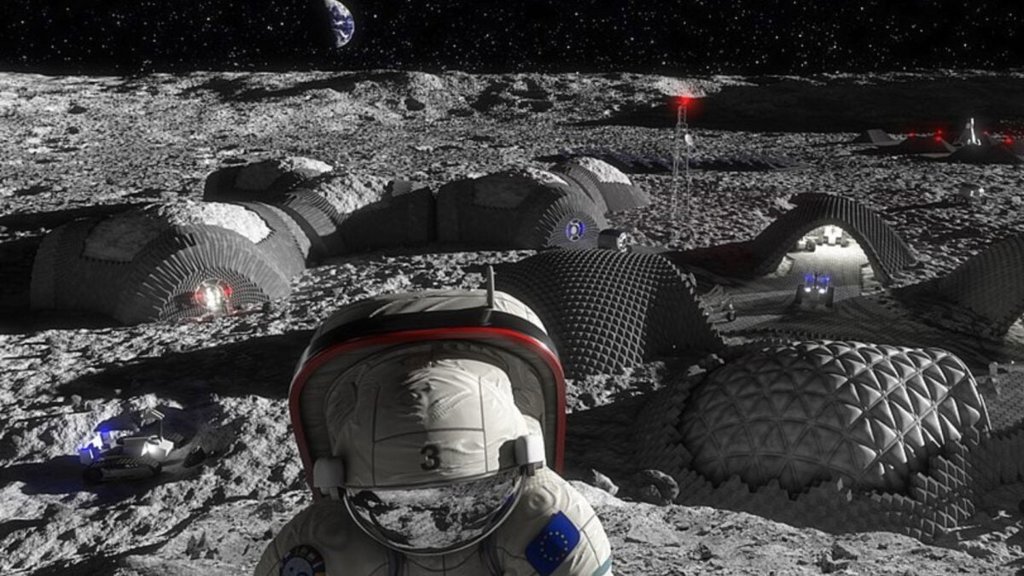
Musk Wants a Self-Growing Moon City in 10 Years. Here’s When the Water Runs Out
A new study casts doubt on humanity's ability to live and work on the lunar surface.
Gizmodo · 2026-09-15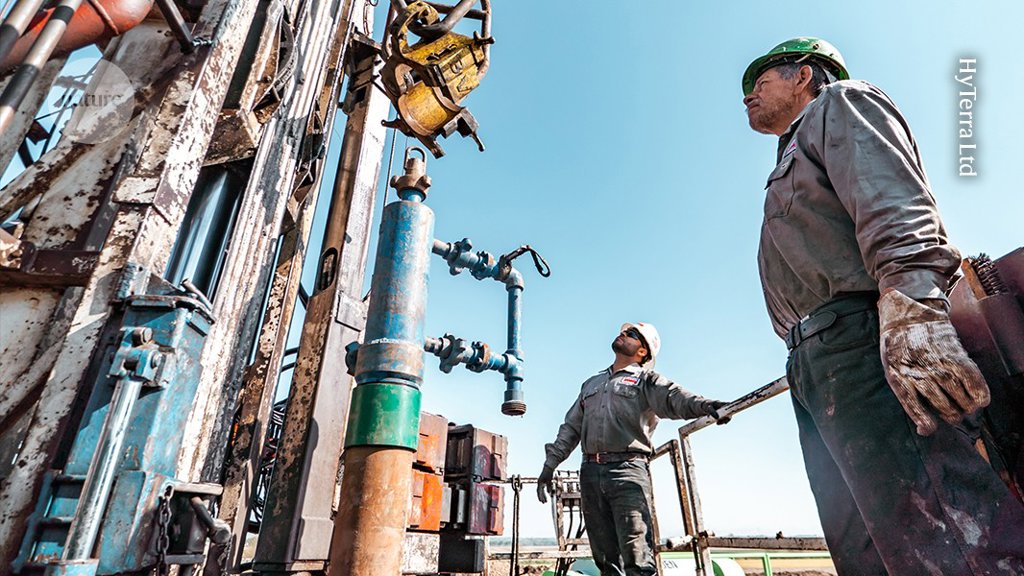
Underground hydrogen could spur a green-energy revolution — if companies can find it
Firms are racing to drill for hydrogen in hopes of finding a dirt-cheap green-energy source.
News · 2026-09-15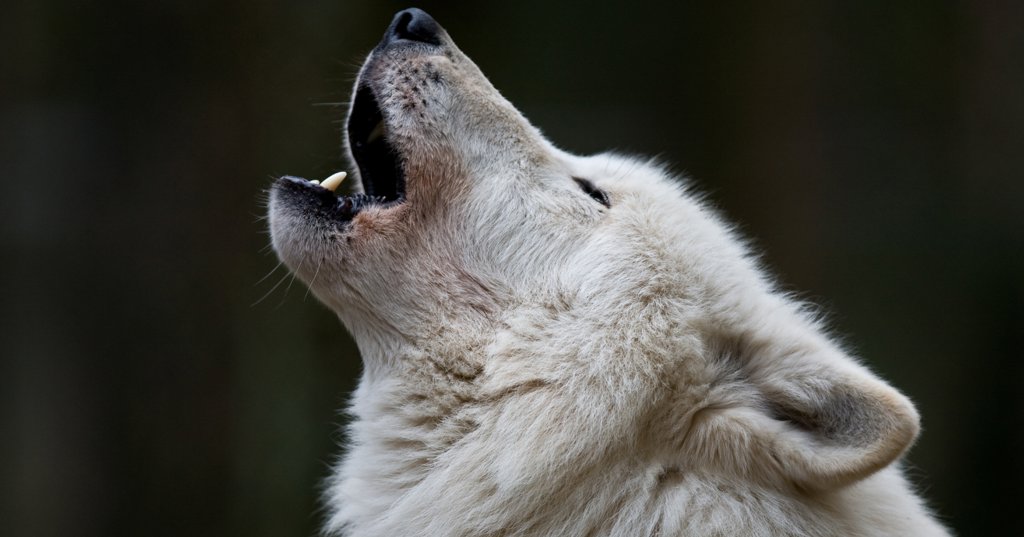
A mammoth-ivory hunter pulled a wolf's head from the Siberian permafrost with its fur, whiskers and brain still intact — the animal had been dead for roughly 40,000 years
The permafrost's deepest freezer just gave up one of its most pristine secrets—a wolf so perfectly preserved that scientists can study its brain, tissue and final moments from an Ice Age that ended long before humans domesticated its descendants.
Space Daily · 2026-09-15
'If I wanted to go to space, I would have stayed at NASA': What's next for Artemis II astronaut Victor…
Former NASA astronaut and Artemis II pilot Victor Glover is stepping away from his space agency duties to take on a new role — executive advisor to the president of Cal Poly University.
Space · 2026-09-15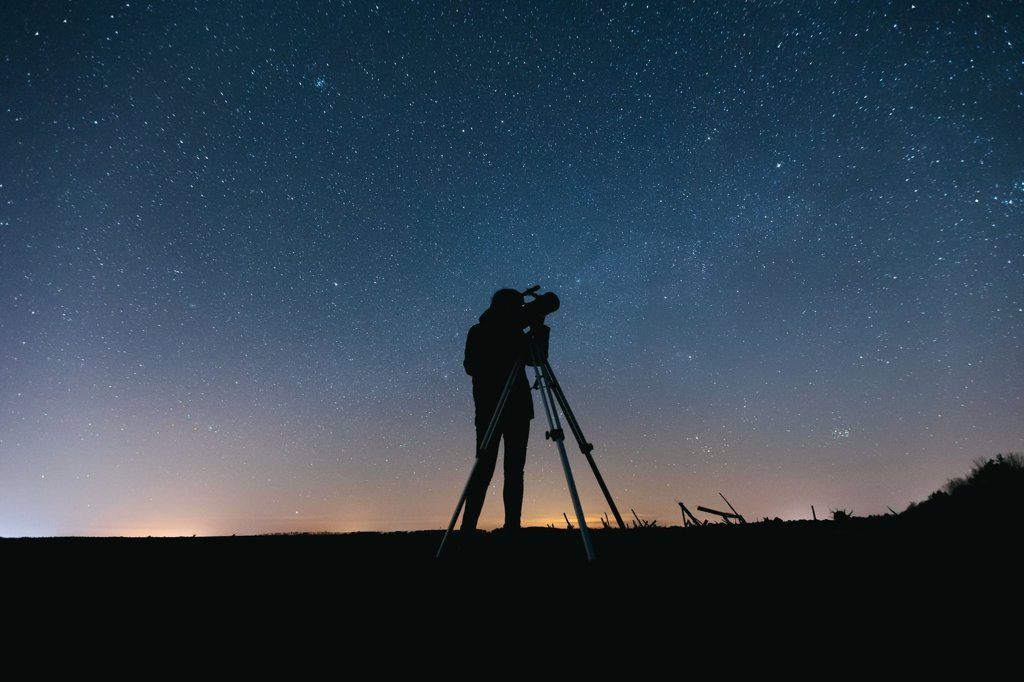
Planet Nine isn’t hiding because it would be small — if it exists, it may be several times Earth’s mass and more than twice as wide. But hundreds of times farther from the Sun than Earth, it receives hundreds of thousands of times less sunlight, and the tiny fraction it reflects fades again before reaching our telescopes.
A proposed six-Earth-mass Planet Nine could still be extremely faint because reflected light pays an inverse-square distance penalty both going out and coming back.
Space Daily · 2026-09-15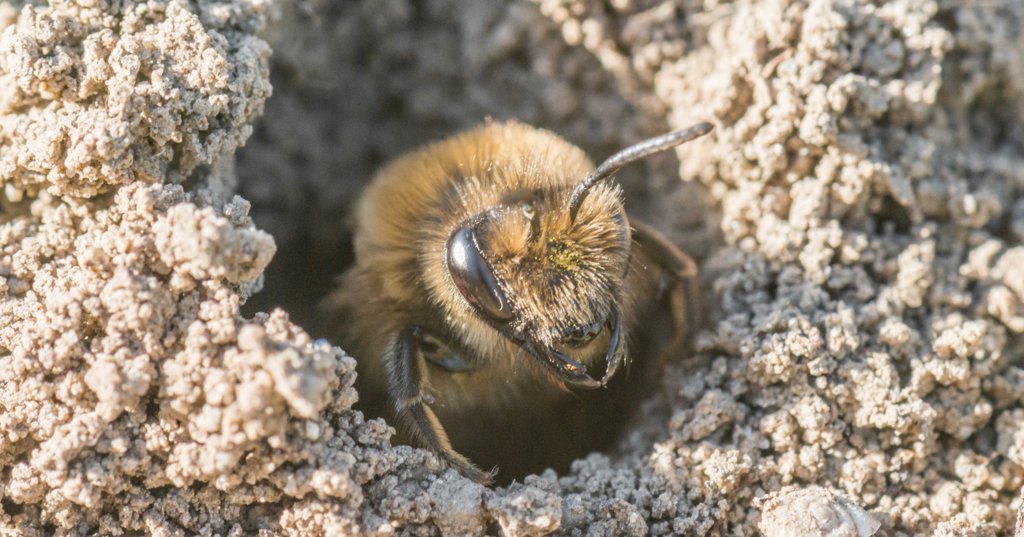
A 1.5-acre cemetery in upstate New York holds a bee population comparable in number to more than 200 honeybee hives, because roughly 5.5 million solitary mining bees nest beneath its lawns — each female digging her own burrow, with no hive and no queen among them
When millions of solitary bees chose a graveyard as their home, scientists stumbled upon one of Earth's largest undiscovered bee colonies—thriving invisibly beneath headstones and grass.
Space Daily · 2026-09-15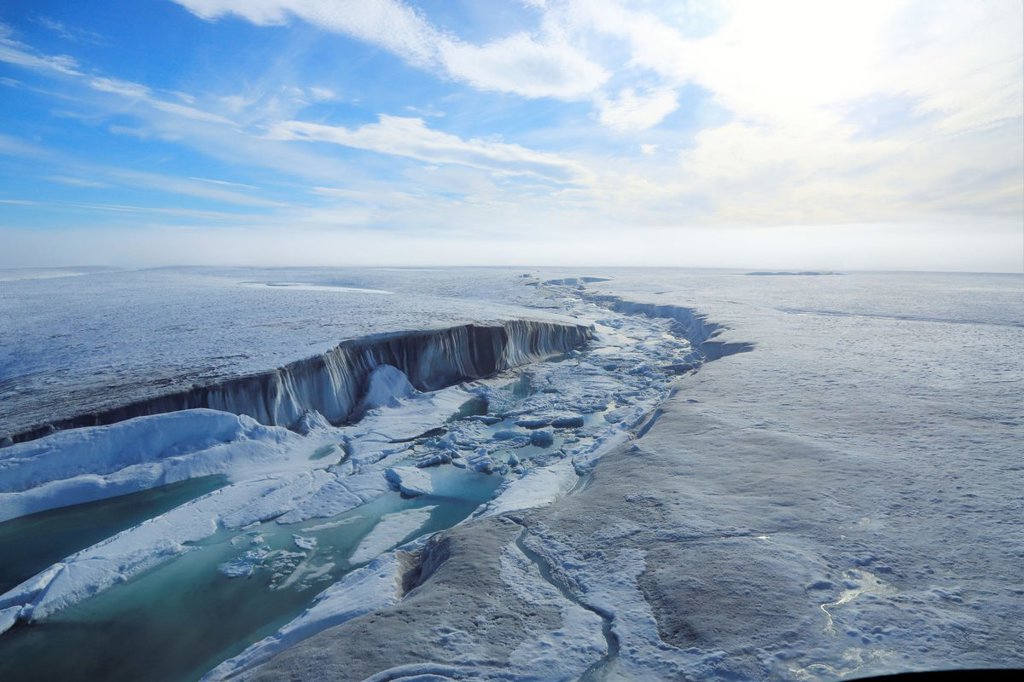
This lake in Canada just vanished. And it's not coming back.
The breakup of the Milne Ice Shelf in the far north of Canada has led to the collapse of a unique Arctic ecosystem.
Discover Wildlife · 2026-09-15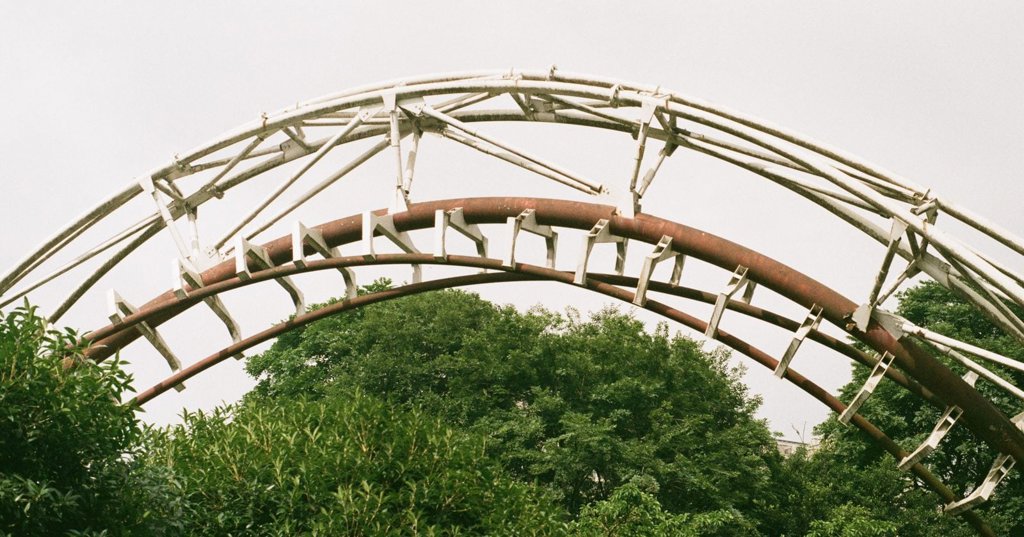
A park visitor at Carowinds spotted a crack in a steel support column on the Fury 325 roller coaster before the ride's inspectors caught it. The ride stayed shut for more than a month while engineers checked the rest of the structure.
A visitor's smartphone camera caught a structural flaw that trained inspectors missed, raising urgent questions about how theme parks monitor safety on their most popular attractions.
Space Daily · 2026-09-15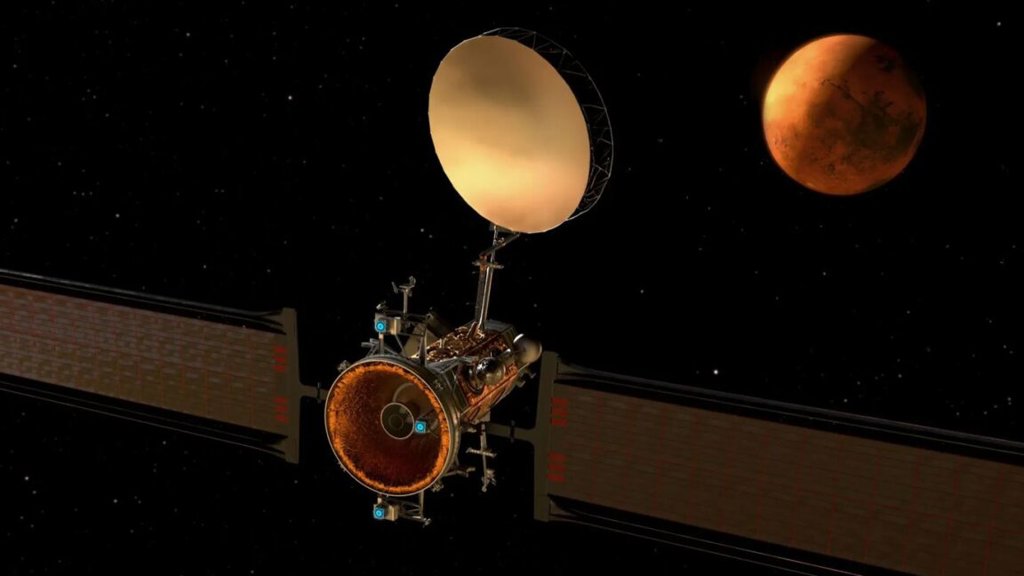
Rocket Lab is seeing red about NASA's decision on a Mars spacecraft
NASA’s award decision appears to be inconsistent with the eligibility criteria."
Ars Technica · 2026-09-14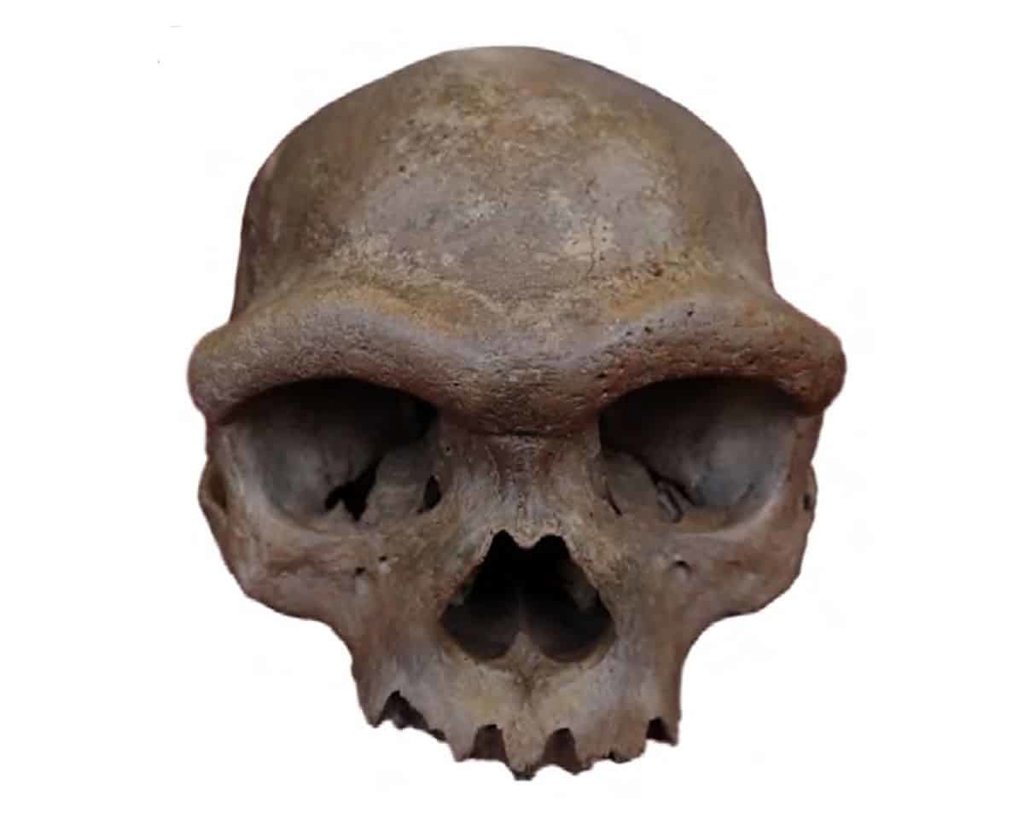
Denisovans Carried DNA From Unknown Human Lineage That Lived 1.8 Million Years Ago
A new study finds Denisovans carried DNA from an unknown ancient lineage, revealing a hidden layer of human evolutionary history.
GreekReporter.com · 2026-09-14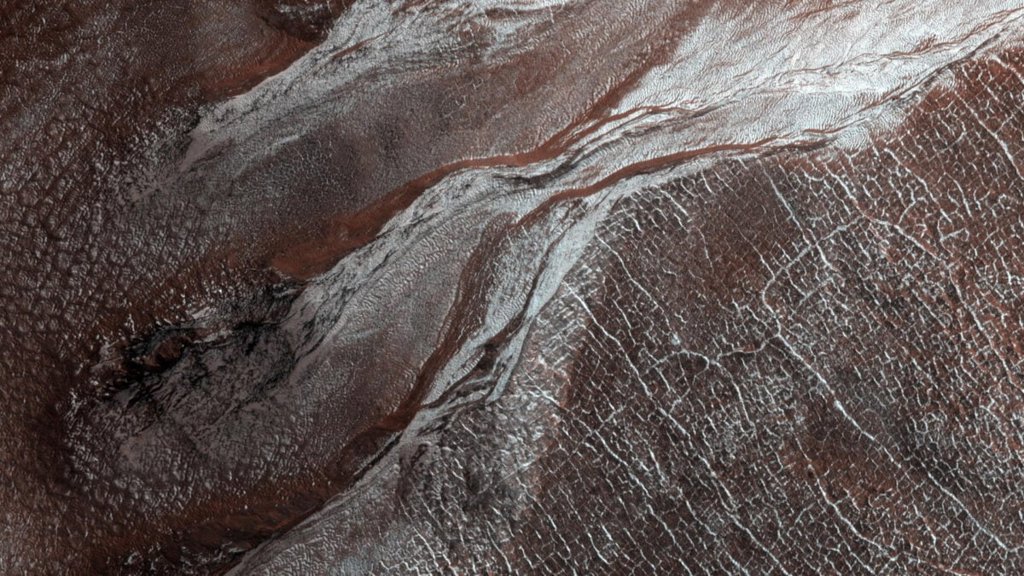
Scientists Thought Ancient Water Carved Martian Gullies. New Analysis Says Otherwise
Turns out Mars' mysterious gullies likely aren't evidence of water, after all.
Gizmodo · 2026-09-14